Concrete Leveling Explained: The Advantages of Polyfoam and Traditional Mudjacking Methods
Irregular concrete surface areas can present safety dangers and lessen home value. 2 typical remedies are mudjacking and polyfoam progressing, each with unique procedures and advantages. Recognizing these approaches is important for house owners dealing with concrete concerns. The selection between them can rely on different elements, including spending plan and ecological conditions. Discovering these alternatives exposes essential insights into effective concrete restoration. What may be the ideal fit for your particular requirements?
Recognizing Uneven Concrete Surfaces

Moreover, unequal surfaces can lead to water merging, which worsens damage on the concrete. This circumstance can add to additional deterioration, necessitating much more extensive fixings in time. Homeowners and property managers frequently find that addressing these issues immediately is crucial for keeping safety and aesthetics.
Understanding the causes and implications of uneven concrete is the primary step in identifying efficient solutions. Without treatment, these surface areas may remain to break down, making it crucial to acknowledge the importance of timely maintenance and fixing methods.
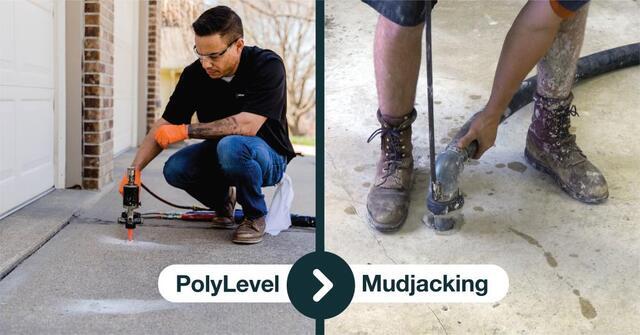
What Is Mudjacking?
Mudjacking, additionally called slabjacking, is a functional solution intended at bring back the stability of sunken concrete surface areas (polyfoam concrete leveling). This approach entails training and stabilizing concrete pieces that have worked out due to soil disintegration or compaction. By injecting a blend, commonly consisting of concrete, water, and other ingredients, underneath the concrete, mudjacking raises the slab back to its original setting
This technique is usually favored for its cost-effectiveness and effectiveness contrasted to finish slab substitute. It can be put on various concrete frameworks, including structures, sidewalks, and driveways. Mudjacking not only addresses visual issues but also boosts safety by eliminating trip dangers and potential architectural problems. Additionally, it can extend the lifespan of the concrete by avoiding further wear and tear. As a tried and true method, mudjacking remains to be a popular selection amongst property owners and contractors seeking dependable concrete fixing remedies.
The Process of Mudjacking
A thorough understanding of the mudjacking procedure is essential for efficient concrete fixing. This method entails increasing sunken concrete pieces by infusing a slurry mix underneath them. The process begins with piercing little holes into the impacted concrete surface area, usually spaced about 3 feet apart. These openings work as entrance factors for the shot of the slurry, which usually contains a combination of water, soil, and concrete or other accumulations.
Once the openings are pierced, a specialized pump injects the slurry into deep spaces underneath the slab. As the blend broadens, it loads gaps and lifts the concrete back to its initial placement. Mindful surveillance is important throughout this phase to guarantee an even raise and avoid damage. After the wanted altitude is accomplished, the openings are sealed, and the surface area is enabled to heal. This method is commonly favored for its efficiency and minimal interruption to bordering locations.
Advantages of Mudjacking
Mudjacking presents a number of benefits that make it a recommended selection for concrete leveling - mudjacking alternative Des Moines. It provides a cost-effective solution contrasted to various other techniques, while additionally making sure a fast installment process that minimizes disturbance. Additionally, mudjacking is taken into consideration an eco-friendly option, using materials that decrease waste and promote sustainability
Cost-efficient Option
A significantly popular choice for concrete leveling, mudjacking supplies a cost-efficient service for house owners encountering unequal surfaces. This method involves injecting a mixture of water, dirt, and concrete under the concrete slab, raising it back to its original setting at a fraction of the expense of changing the whole slab. Compared to other leveling techniques, mudjacking typically calls for fewer products and much less labor, resulting in reduced general costs. In addition, it can deal with a series of concerns, such as clearing up, splitting, and drain problems, without the demand for substantial repair work. Homeowners value that mudjacking not only conserves cash but also extends the life of existing concrete structures, making it a useful selection for maintaining property worth.
Quick Setup Refine
Homeowners seeking a quick solution to irregular concrete surfaces often turn to mudjacking for its fast installation procedure. This approach entails injecting a mixture of water, soil, and cement underneath the concrete slab, permitting prompt lifting and stabilization. The entire procedure normally takes just a couple of hours, minimizing disruption to everyday activities. Once the mud is infused, it rapidly solidifies and expands, supplying a strong foundation without the extensive healing times linked with other approaches. In addition, mudjacking needs very little devices and less labor, even more quickening the setup process. As a result, home owners can take pleasure in brought back surfaces with marginal downtime, making mudjacking an attractive selection for those looking for quick fixings.
Eco-friendly Alternative
While many concrete progressing methods can be resource-intensive, mudjacking stands apart as an eco-friendly learn about this choice. This strategy mainly utilizes a cement-based slurry, which can typically be sourced in your area, decreasing transport exhausts. In addition, since mudjacking entails infusing a mix below existing concrete, it minimizes the requirement for considerable excavation, preserving bordering plant life and soil honesty. The materials made use of in mudjacking are typically non-toxic and do not release hazardous chemicals right into the setting. The procedure itself generates minimal waste, frequently recycling existing concrete instead than disposing of it. Consequently, mudjacking not only efficiently addresses irregular surface areas however additionally straightens with sustainable techniques, making it a responsible option for homeowner concerned regarding environmental influence.
What Is Polyfoam Progressing?
Polyfoam progressing, a contemporary method to concrete lifting, makes use of an unique broadening foam product to elevate sunken or uneven surface areas. This method entails infusing a lightweight polyurethane foam beneath the concrete piece. When infused, the foam broadens to fill spaces and spaces, supplying a secure base and properly lifting the concrete back to its original level. The process is fairly quick, often permitting instant use the surface area after application, decreasing disturbance to the surrounding location.
Polyfoam leveling is known for its efficiency and performance, making it a preferred choice among professionals. The foam material is resistant to wetness and ecological elements, which adds to its toughness. In addition, the light-weight nature of the foam decreases the risk of future settling contrasted to typical techniques. Consequently, polyfoam leveling becomes a feasible solution for various applications, including residential and business concrete fixings.
The Advantages of Polyfoam Leveling
Polyfoam leveling uses several distinctive benefits for concrete fixing. Its light-weight and sturdy nature, integrated with a fast installation process, makes it an effective choice for lots of projects. In addition, its moisture-resistant residential or commercial properties add to lasting results, improving overall efficiency.
Lightweight and Long Lasting
Concrete leveling using polyfoam supplies considerable advantages due to its resilient and lightweight nature. Unlike traditional mudjacking, which counts on much heavier products, polyfoam preserves a reduced weight, decreasing the danger of additional settling or damage to the underlying soil. This lightweight characteristic enables simpler handling and application, making it a desirable option for different tasks.
In addition, polyfoam is resistant to water absorption and does not degrade over time, ensuring lasting security for concrete surfaces. Its longevity helps to preserve the structural stability of the leveled location, also in transforming weather. In general, the combination of light-weight buildings and robust performance makes polyfoam an ideal solution for reliable concrete progressing, supplying both lasting and instant advantages.
Quick Installment Process
Among the standout features of making use of polyfoam for concrete leveling is the quick setup process it makes it possible for. Unlike traditional mudjacking, which can need extensive prep work and drying time, polyfoam can be applied promptly. The setup typically involves drilling little holes into the concrete and injecting the foam, which increases quickly to raise the piece. This technique commonly permits completion within a few hours, reducing interruption to everyday tasks. In addition, the lightweight nature of polyfoam indicates that less product is needed, additionally improving the process. Homeowners can return to normal use their surfaces almost immediately after the application, making polyfoam a reliable selection for concrete progressing jobs. In general, the quick setup is a substantial advantage over conventional methods.
Dampness Resistant Features
Moisture resistance attracts attention as a crucial advantage of polyfoam leveling in concrete fixing. Unlike traditional mudjacking, which makes use of a cement-based slurry that is susceptible to water absorption, polyfoam is created to repel wetness. This characteristic aids stop problems such as erosion, mold and mildew development, and further settling of the concrete. The closed-cell structure of polyfoam warranties that it continues to be reliable and steady even in wet settings (BAM Basements). Additionally, polyfoam's light-weight nature reduces the threat of additional strain on the existing concrete slab. This moisture-resistant residential or commercial property enhances the longevity of the repair service, making polyfoam an attractive option for service providers and house owners looking for dependable, resilient solutions for sunken or uneven concrete surfaces. Generally, polyfoam leveling offers a more resistant strategy to concrete fixing
Choosing the Right Method for Your Needs
When establishing the most ideal technique for concrete progressing, a number of elements come into play. The certain problem of the concrete, the underlying root cause of the settling, and the wanted outcome must all be considered. Polyfoam shot is typically chosen for its quick application and minimal interruption, making it suitable for houses. It likewise offers outstanding moisture-resistant homes, which can be useful in wetter environments. On the other hand, traditional mudjacking may be better for bigger industrial jobs or when managing considerable spaces under the piece, as it uses an extra durable service. Budget constraints can additionally affect the choice, as mudjacking normally costs less than polyfoam techniques. Ultimately, consulting with a professional can offer important understandings, making sure that the picked method straightens with the particular needs and conditions of the project, resulting in efficient and lasting lead to concrete leveling.
Regularly Asked Inquiries
Exactly How Long Does Mudjacking Usually Last Prior To Needing Fixings?
Mudjacking generally lasts between 5 to ten years before repair services are required. Factors such as dirt problems, environment, and the top quality of the initial installation can affect the long life of the mudjacking procedure.
Is Polyfoam Progressing Appropriate for All Sorts Of Concrete Surfaces?
Polyfoam progressing is normally appropriate for different concrete surfaces, including pathways and driveways. Its performance might vary depending on architectural requirements and specific conditions, making evaluation by a specialist important prior to application.
Can I Do Concrete Progressing Myself, or Should I Work with a Specialist?
While some people may try concrete leveling themselves, employing an expert is commonly advisable. Their competence assurances proper strategies and devices are made use of, lessening the danger of errors and potential long-term issues connected with incorrect progressing.
What Are the Ecological Effects of Mudjacking and Polyfoam Techniques?
Mudjacking usually entails cement and water, which can add to carbon exhausts. In contrast, polyfoam approaches often utilize lighter products that may minimize ecological impact, however they also elevate concerns about chemical leaching and long-lasting sustainability.
Exactly How Do Climate Condition Influence the Concrete Leveling Refine?
Weather problems substantially influence the concrete progressing procedure. Severe temperature levels can impact material setting times, while dampness levels may affect treating. Furthermore, rainfall or snow can prevent equipment availability and extend task timelines.